1Brave Leaders and Courage Cultures
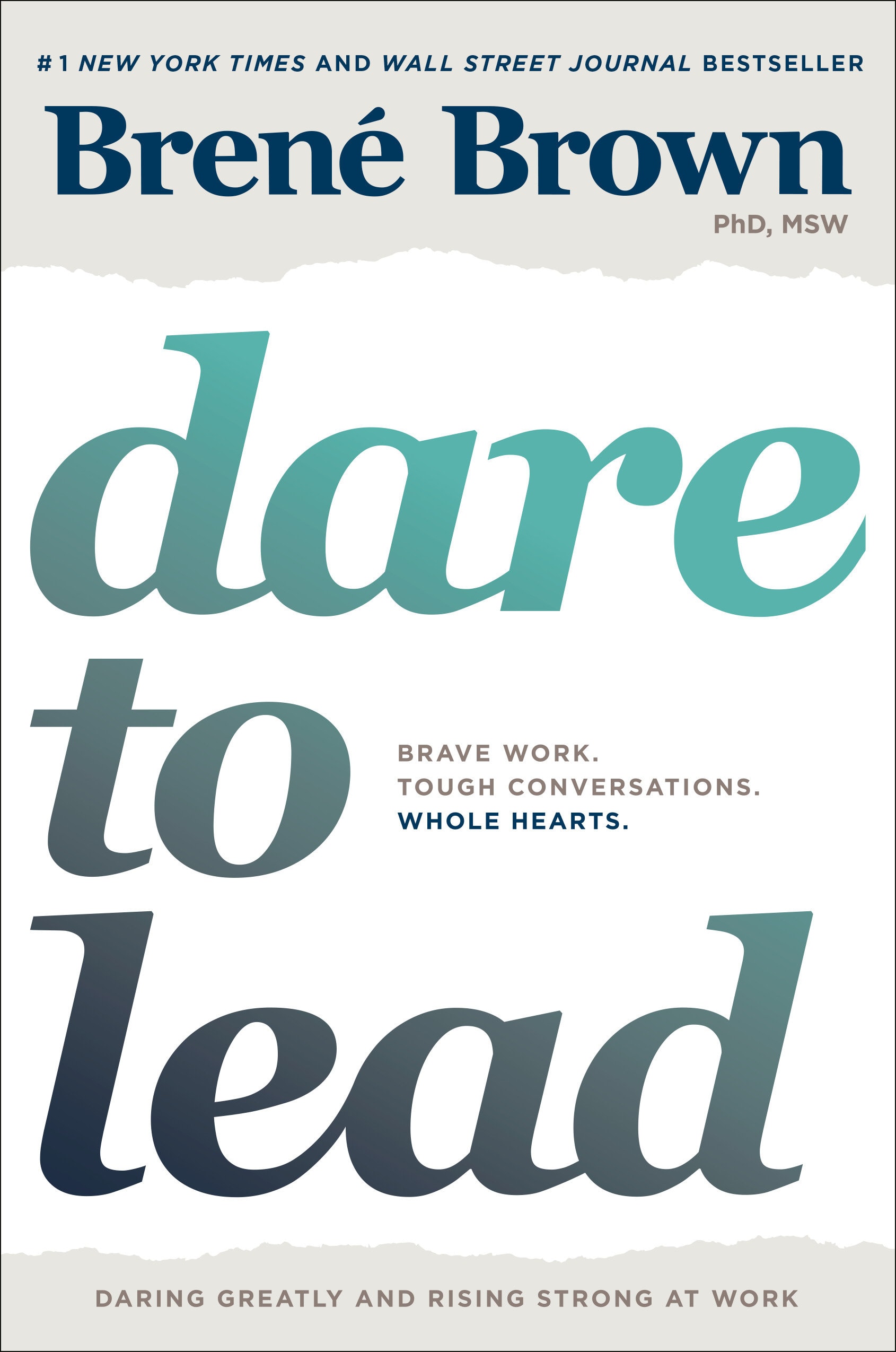
Brown, a researcher of courage, vulnerability and shame, asked leaders what they believed had to change for organizations to thrive. Their answers pointed to braver leaders and more courageous cultures. She defines a leader not by title but as anyone who takes responsibility for seeing the potential in people and ideas and has the courage to develop it. Her central claim is that courage is a set of four skills that can be taught, observed and measured.
2The Moment and the Myths
Rumbling with vulnerability is the first and core skill. Brown defines vulnerability as the emotion we feel in moments of uncertainty, risk and emotional exposure. She takes apart common myths: that vulnerability is weakness, that some people can opt out of it, that it means oversharing, or that we can go it alone. In her research, no one could name an act of courage that did not involve vulnerability.
3The Call to Courage
Daring leaders are willing to have hard conversations instead of avoiding them. Brown describes a rumble as a discussion where people stay open, curious and committed to working through a problem together. She suggests building a safe container with clear norms, and listening to people whose feedback you value, a small group she calls a square squad, rather than every critic in the cheap seats. Her shorthand for honest feedback: clear is kind, unclear is unkind.
4The Armory
To protect ourselves from feeling vulnerable, we put on armour, and Brown argues that it blocks connection and performance. She contrasts armoured leadership with daring leadership in a list of patterns: perfectionism versus healthy striving, numbing versus boundaries and real comfort, being a knower versus being a learner, hiding behind cynicism versus modelling clarity, kindness and hope, and leading for compliance versus cultivating commitment and shared purpose.
5Shame and Empathy
Brown separates shame, the feeling of being flawed and unworthy, from guilt, which focuses on a behaviour. Shame is universal, hard to talk about, and grows stronger the less we discuss it. In workplaces it can show up as perfectionism, blaming, gossip or tying worth to productivity. Empathy is its antidote: not fixing or giving advice, but connecting with what someone feels. She also stresses self-compassion and building shame resilience.
6Curiosity and Grounded Confidence
Brown sums up this section as an equation: grounded confidence comes from rumble skills plus curiosity plus practice. Confidence here does not mean having all the answers, but staying steady while learning. She offers simple phrases to open a hard conversation with curiosity, such as tell me more, help me understand, or the story I'm making up is. Practising these, she says, lets us stay aligned with our values instead of reacting defensively.
7Living into Our Values
Brown asks readers to name one or two core values, not a long list, because, in her view, a long list of priorities is really no priorities at all. Values must then be translated into specific behaviours: what it looks like when you are living them and when you are not. She also covers how to give and receive hard feedback while staying aligned with your values, and how values help leaders make difficult decisions under pressure.
8Braving Trust
Talking about trust in vague terms rarely helps, so Brown breaks it into seven behaviours, spelled BRAVING: Boundaries, Reliability, Accountability, Vault (keeping confidences), Integrity, Non-judgment and Generosity, meaning the most generous interpretation of others' words and actions. Trust, she argues, is built in small moments over time. The same inventory applies to self-trust, which she sees as the foundation for trusting others.
9Learning to Rise
If we are brave, Brown says, we will fall, so leaders need skills to get back up. She describes a three-step process. The reckoning: noticing we are emotionally hooked and getting curious. The rumble: examining the first-draft story our mind tells us, often full of conspiracies and gaps, and checking it against the facts. The revolution: the change that comes from writing a braver, truer ending. She argues these skills can be taught to whole teams.

 BOOK NOTES · DARE TO LEAD