BOOK NOTES · HOW TO BE ENOUGH
چگونه کافی باشیم
01/12
BOOK SUMMARY · THE SEVEN SHIFTS
How to Be Enough
Self-Acceptance for Self-Critics and Perfectionists
Part 1 + 7 shifts (15 chapters) + takeawaysبخش ۱ + ۷ تغییر (۱۵ فصل) + نکتهها

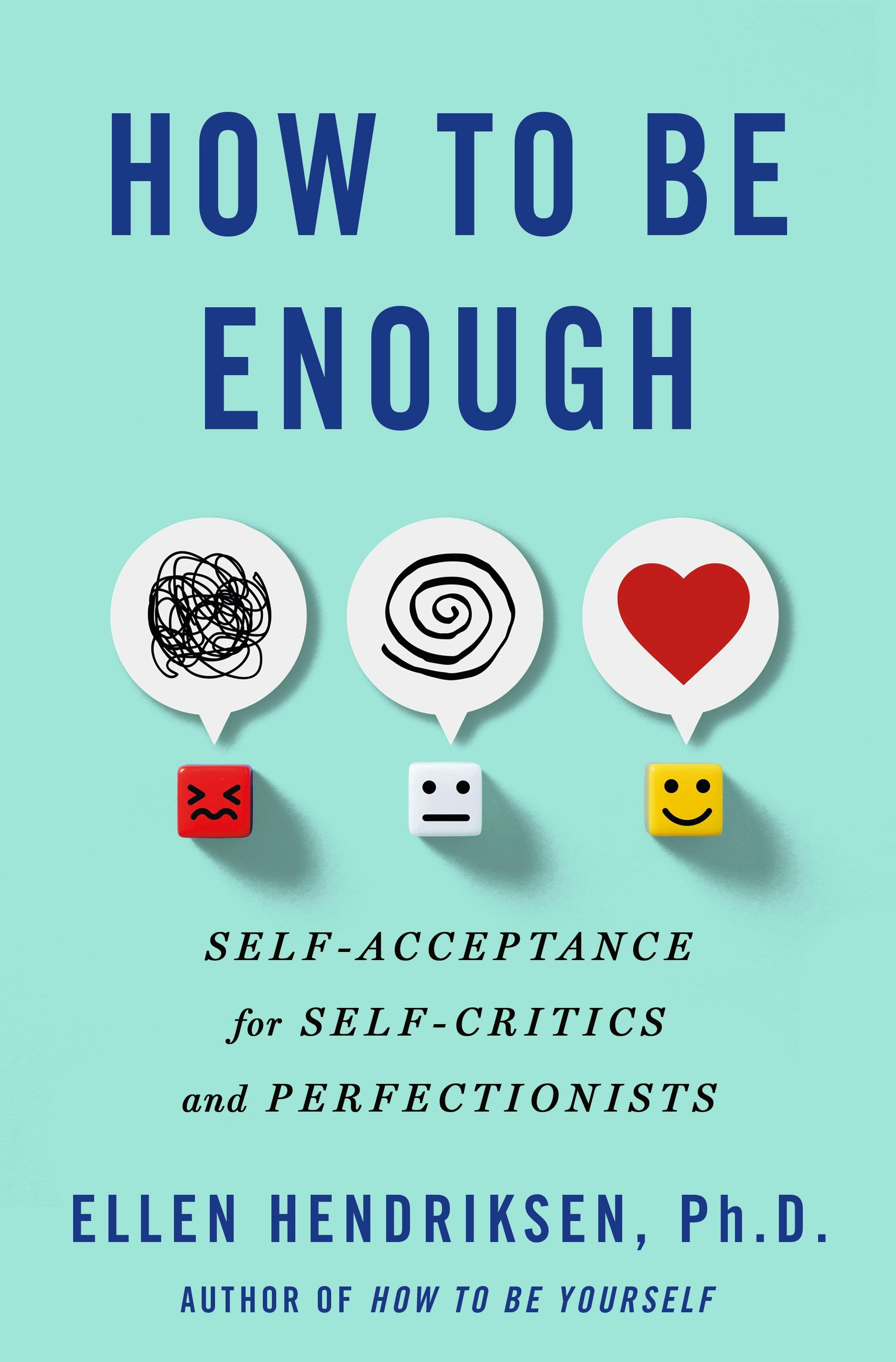
Cover image: St. Martin's Press
Self-Acceptance for Self-Critics and Perfectionists
Read in فارسی
Perfectionism is less about being perfect than about never feeling good enough.
The author's view as a psychologist, not a substitute for therapy. If perfectionism is affecting your well-being, consider talking to a professional.
Keep the high standards, drop the harsh verdicts.
Let the inner critic run in the background.
Move some eggs to connection and enjoyment.
Treat tasks as experiments, not exams.
Broaden comparisons until they stop answering.
Connection does not have to be earned.
In How to Be Enough, clinical psychologist Ellen Hendriksen argues that perfectionism is less about being perfect than about never feeling good enough, even when things look great from the outside. The summary follows what perfectionism is and her seven shifts, from self-criticism to kindness, rules to flexibility, procrastination to productivity, comparison to contentment, and control to authenticity.
Enter your email and confirm that we may store it with the language of this page and the name of this book. We use that to give you the deck and to know which summary you asked for.
Hendriksen, a clinical psychologist, argues that perfectionism is less about being perfect than about never feeling good enough. She describes setting higher standards than a situation needs, focusing on flaws, and tying self-worth to performance. It shows up in many forms, even as avoidance or a messy home. Its healthy core, conscientiousness, is worth keeping; the problem starts when it costs more than it gives.
Rather than fighting the inner critic, or criticizing yourself for being self-critical, Hendriksen suggests changing your relationship with it. Notice it as something your brain tends to do, let it run in the background, and refocus on what you want to do. She also turns to outer critics: the people and pressures around us, and the gap between what we say, what we mean, and what others hear.
Perfectionism tends to put all our eggs in the basket of performance. Hendriksen suggests moving from labels about who we should be toward values that matter to us, and redistributing some of those eggs to the forgotten baskets of connection and enjoyment. At dinner with friends, attend to the conversation instead of trying to be entertaining; on a run, notice the movement instead of the numbers.
Perfectionism runs on shoulds: an inner rulebook we apply rigidly in every situation. Drawing on psychiatrist Allan Mallinger's idea of demand sensitivity, Hendriksen describes how we turn wants into obligations, even turning fun into a chore. She suggests rewriting the rules for each context, so that a nice person can also be assertive, and being nice can include standing your ground.
Mistakes sting most when we believe we should never make any. Hendriksen discusses cringe attacks, when embarrassing memories suddenly return, and suggests making room for mistakes as part of being human: if you would expect a rare slip from someone else in your position, allow it for yourself too. For future mistakes, she suggests treating tasks as experiments rather than exams.
Hendriksen argues that procrastination is not mainly a time management problem but an emotion regulation one. Impossibly high standards make a task feel overwhelming, so we avoid it and reach for something that makes us feel better right away, like scrolling or cleaning. The relief fades and the dread grows. Easing the standards and the feelings around a task, she suggests, makes starting more possible.
Comparison is hardwired, Hendriksen says, but it becomes a problem when we use it to answer whether we are good enough, outsourcing our self-worth to others. We usually compare on whatever we feel insecure about. Her suggestion is to broaden the comparison to many factors, known and unknown, until the question cannot be answered, and you see both people as complex, incomparable individuals.
The last shift is about being real on the inside and on the outside. Perfectionism can push us to control which feelings we allow ourselves and which parts of ourselves we show. Hendriksen notes that authenticity looks different with a boss than with an old friend, and it does not mean being raw or careless. It means bringing your own style to each situation instead of performing someone else's ideal.
How to Be Enough was written by Ellen Hendriksen.
Key lessons include: Keep the high standards, drop the harsh verdicts.; Let the inner critic run in the background.; Move some eggs to connection and enjoyment.
This summary is for readers who want perfectionism is less about being perfect than about never feeling good enough.
The same summary, as swipeable cards.
BOOK NOTES · HOW TO BE ENOUGHIn How to Be Enough, clinical psychologist Ellen Hendriksen argues that perfectionism is less about being perfect than about never feeling good enough, even when things look great from the outside. The summary follows what perfectionism is and her seven shifts, from self-criticism to kindness, rules to flexibility, procrastination to productivity, comparison to contentment, and control to authenticity.