 BOOK NOTES · INFLUENCE
تأثیر: روانشناسی متقاعدسازی
01/13
BOOK SUMMARY · CHAPTER BY CHAPTER
Influence, New and Expanded
Introduction + 9 chapters in 9 cards + key takeawaysمقدمه + ۹ فصل در ۹ کارت + نکتههای کلیدی

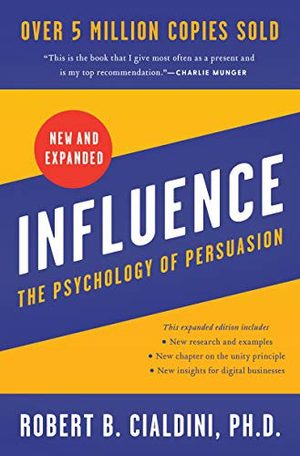
Cover image: Open Library
Read in فارسی
We often say yes on autopilot — seven principles explain why.
English summary cards follow the 2021 New and Expanded edition (includes Unity). The cited Persian edition is a six-principle translation and is not the same as the 2021 expanded English text.
Chapter titles follow the Harper Business 2021 New and Expanded edition. No direct quotes; everything is paraphrased.
Most yeses ride on a few automatic shortcuts, not endless debate.
Watch for gifts, liking cues, crowds, titles, scarcity, prior commitments, and shared identity.
Small public commitments often grow into larger ones.
Unity — a real sense of we — can outweigh mere similarity.
Use the principles ethically, and treat them as defense as much as offense.
Slow down when a request suddenly feels urgent, exclusive, or hard to refuse.
Robert B. Cialdini's Influence, New and Expanded: The Psychology of Persuasion (Harper Business, 2021). We often say yes on autopilot — seven principles explain why. One of the books Alex Hormozi says he studies and rereads.
Enter your email and confirm that we may store it with the language of this page and the name of this book. We use that to give you the deck and to know which summary you asked for.
Cialdini spent years studying compliance professionals undercover and in the lab. He argues that most persuasion rests on a few automatic shortcuts: mental click-whirr patterns that usually help us decide quickly, and that skilled persuaders can trigger. The book teaches both how those levers work and how to spot them when someone aims them at you.
We feel obliged to repay what others give us, even small or uninvited favors. That pull opens doors for gifts, free samples, and the rejection-then-retreat move: ask for something large, then retreat to a smaller request that now feels like a concession you should match.
We prefer to say yes to people we like. Attraction, similarity, compliments, familiarity through contact, and cooperative teamwork all raise liking. Parties built around friendship work because the request rides on the relationship, not only on the product.
When unsure, we look at what similar others do and treat that as evidence of the right move. Laugh tracks, crowded rooms, and copycat behavior all lean on this shortcut. It is strongest when we feel uncertain and when the comparison group looks like us.
Titles, clothes, and other symbols of expertise make compliance more likely, sometimes even when the advice is thin. Cialdini revisits classic obedience research and everyday deference to experts, and urges checking both credentials and whether the claim fits the expertise.
Opportunities seem more valuable when their availability is limited. Deadlines, limited stock, and newly restricted freedoms raise desire through reactance: we want what we might lose. Exclusive information can intensify the same pull.
Once we take a stand, we feel pressure to behave consistently with it. Small, voluntary, active, and public commitments can open the door to larger ones. Writing something down or stating it aloud strengthens the pull of our own prior choice.
Added in the New and Expanded edition, unity is the shared sense of we: kinship, shared identity, and acting together. People are especially open to those they see as part of the same tribe, family, or team, not merely as similar strangers.
Modern life is fast and overloaded, so automatic compliance cues matter more than ever, including online. Cialdini closes by urging ethical use: these principles can help honest requests land, and they can also defend you when someone uses them manipulatively.
Influence, New and Expanded was written by Robert B. Cialdini.
Key lessons include: Most yeses ride on a few automatic shortcuts, not endless debate.; Watch for gifts, liking cues, crowds, titles, scarcity, prior commitments, and shared identity.; Small public commitments often grow into larger ones.
This summary is for readers who want we often say yes on autopilot — seven principles explain why.
The same summary, as swipeable cards.
BOOK NOTES · INFLUENCERobert B. Cialdini's Influence, New and Expanded: The Psychology of Persuasion (Harper Business, 2021). We often say yes on autopilot — seven principles explain why. One of the books Alex Hormozi says he studies and rereads.