1Redefining the Year
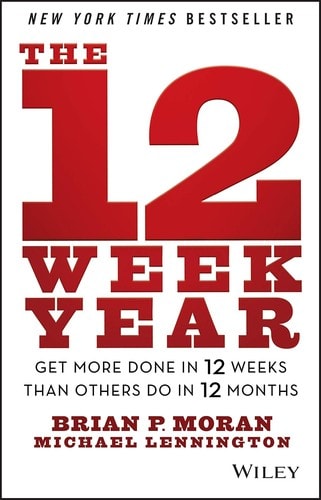
The authors call the trap annualized thinking: in January, December feels far away, so a slow start seems harmless and people count on a late surge. Borrowing from periodization in athletic training, they propose treating 12 weeks as a full year. With the deadline always close, every week and every day matter more, urgency stays high all year, and each new 12-week cycle brings a fresh start.
2The Emotional Connection
Execution usually means doing uncomfortable things, and when short-term discomfort feels bigger than long-term benefit, people quit. The authors argue that you need a strong emotional stake in the outcome: a compelling vision of the future that you want more than your own comfort. They suggest starting with a personal vision covering all areas of life, then shaping work goals to support it, and aligning every 12-week plan with that vision.
3Plan, Act Weekly, Keep Score
A 12-week plan is more predictable and focused than an annual one: it names only the one to three goals that matter most and breaks each into specific tactics, each due in a set week. A weekly plan turns it into action and is reviewed briefly at the start of each week and each day. Then keep score: track lead indicators (your actions) and lag indicators (results), and score the share of planned tactics you completed. The authors find that executing about 85% usually means reaching the goal.
4Intentionality
Time is the one resource you cannot stretch, and many people let each day's demands decide how it is spent. Being intentional means saying yes to what is strategic and no to much of the rest. The authors' Performance Time system uses three blocks: a weekly three-hour strategic block of uninterrupted work on what matters most, short buffer blocks for email, calls and other small tasks, and a breakout block of at least three hours away from work to recharge.
5Accountability as Ownership, and Commitment
Accountability, the authors argue, is not about consequences imposed by others but about ownership: choosing to own your actions and results whatever the circumstances. No one else can hold you accountable; only you can take it on. Commitment goes further than interest. Its four keys are a strong desire, a few keystone actions, an honest count of the costs, and acting on your commitments rather than your feelings. Commitments for 12 weeks are far easier to keep than year-long ones.
6Greatness in the Moment, Intentional Imbalance
Greatness, the authors say, is not achieved when results arrive; it happens earlier, in each moment you choose to do what needs doing. Results only confirm it later, and the daily gap between great and average is often small. They also question work-life balance: spending equal time on every area is not realistic. Instead, every 12 weeks you can intentionally choose a few areas of life, such as health, family or work, and make real progress there.
7The Execution System
Part II puts the ideas together as one system of three principles (accountability, commitment and greatness in the moment) and five disciplines (vision, planning, process control, measurement and time use). The authors warn that change follows an emotional cycle, from early optimism to a 'valley of despair' where many quit. To get through it, craft a vision on three horizons, long-term, three years and 12 weeks, and write a 12-week plan of clear goals and tactics, each assigned to a week.
8The Weekly Routine and Control of Your Day
Willpower fades, so the authors build structure instead. Their weekly routine has three steps: score last week, plan the coming week, and join a short Weekly Accountability Meeting (WAM) with a small group of peers who support and challenge each other. The weekly score measures execution of planned tactics, separately from results. They then turn Performance Time into a model week, with strategic, buffer and breakout blocks placed in your calendar in advance.
9Ownership, Commitments and Your First 12 Weeks
The final chapters turn principles into practice: refuse the victim mindset, manage your thinking, take action, and spend time with accountable people. Keep a few personal commitments and honour your promises to others. Expect 'resistance monsters' in your first 12 weeks, such as the need for instant gratification, too many goals at once, old habits and victim thinking. Treat the first cycle as three four-week stretches, then use the 13th week to review, celebrate and plan the next 12.

 BOOK NOTES · THE 12 WEEK YEAR