1Journey Before Titles
Wooden opens with the joys of his journey and an introduction to Part 1: leadership rests on a foundation of character before tactics. Titles, scores, and short-term wins are downstream of who you are and what you consistently practice. The book is co-framed with Steve Jamison as Wooden's leadership manual built around the Pyramid of Success.
2The Pyramid of Success — Base Blocks
Chapter 1 presents the Pyramid of Success as Wooden's operating system. The base emphasizes Industriousness and Enthusiasm as cornerstones, with Friendship, Loyalty, and Cooperation as the relational mortar. Success for Wooden is peace of mind from self-satisfaction in knowing you made the effort to become the best you are capable of becoming — not the scoreboard alone.
3Second Tier: Control, Alertness, Initiative, Intentness
The Pyramid's second tier stresses Self-Control, Alertness, Initiative, and Intentness. Wooden treats emotional discipline and sustained focus as trainable leadership muscles: you cannot teach or lead well when impulse, distraction, or quit-early habits own the day.
4Heart of the Pyramid: Condition, Skill, Team Spirit to Competitive Greatness
The heart and apex move through Condition, Skill, and Team Spirit toward Poise, Confidence, and Competitive Greatness. Wooden's point is sequenced: personal readiness and craft come before swagger, and team spirit is a skill of putting the group above the individual ego.
5Values Attract; Love; Call Yourself a Teacher
Lessons open with Good Values Attract Good People; Use the Most Powerful Four-Letter Word (love, in Wooden's framing); and Call Yourself a Teacher. Leadership is recruitment by character and a teaching identity — not merely managing outcomes after the roster is set.
6Emotion Is the Enemy; Ten Hands; Little Things
Emotion is Your Enemy; It Takes 10 Hands to Score a Basket; Little Things Make Big Things Happen. Wooden separates caring from emotional volatility, insists on collective contribution, and treats detail discipline as the real multiplier of talent.
7Daily Masterpiece; Carrot Over Stick; Greatness Attainable
Make Each Day Your Masterpiece; The Carrot Is Mightier Than a Stick; Make Greatness Attainable By All. Standards stay high while motivation stays constructive, and excellence is framed as reachable effort — not a reserved club for stars only.
8Seek Change; Ignore the Scoreboard; Adversity as Asset
Seek Significant Change; Don't Look at the Scoreboard; Adversity Is Your Asset. Wooden trains leaders to improve the process under pressure, resist living by external scorekeeping during the work, and convert setbacks into teaching fuel.
9Notebook Lessons; Some Things Don't Change
Part 3 gathers lessons from Wooden's notebook; the epilogue insists some fundamentals do not change with fashion. The close reinforces that leadership principles outlast plays, seasons, and trends when character and daily practice stay intact.
10Blocks Are Habits, Not Posters
Read the Pyramid as a habit stack for a team culture: industriousness and enthusiasm without friendship and loyalty produce brittle effort; skill without team spirit produces selfish brilliance. Wooden's lessons convert the blocks into coaching behaviors you can observe in meetings, rehearsals, and reviews.
11Name the Weak Block
A field use of the book: name one Pyramid block your team under-practices (for example Alertness or Team Spirit), then pick one Part 2 lesson that would strengthen it this week (Little Things, or Don't Look at the Scoreboard). Wooden's method is concrete enough to audit without needing basketball metaphors.
12McGraw-Hill 2005 Structure
This package follows the McGraw-Hill 2005 / O'Reilly-listed structure: Preface; Prologue; Part 1 (Intro + ch1–3 Pyramid); Part 2 Lessons in Leadership (ch4–15); Part 3 Lessons From My Notebook; Epilogue. Cards are detailed deck paraphrases. No invented quotes.

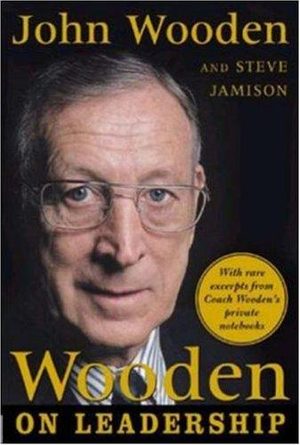
 BOOK NOTES · WOODEN ON LEADERSHIP