1Your Hidden Rulebook
Many beliefs about money, love, and what is possible were handed over in childhood. They live in the subconscious, the part of the mind that runs on feeling and habit rather than analysis. When a conscious goal disagrees with an old belief, a person stays stuck. Sincero then describes a universal energy she calls Source Energy and draws on the law of attraction: what we focus on and feel, we tend to draw toward us. She adds that energy by itself is not enough. Action has to come with it.
2Meet the Big Snooze
Children and animals live in the moment. Most adults, Sincero writes, move between replaying the past and worrying about the future, and miss what is in front of them. She calls the ego the Big Snooze: a fearful, approval-seeking voice built from old beliefs. It keeps a person safe by keeping them small, and it often gets loudest just as change begins. Her answer is to notice that voice, choose the higher self, and see that believing in yourself takes no more energy than doubting yourself.
3Be Your Own Fan
Part Two opens with self-love, which Sincero treats as a daily practice: notice what makes you unique, use affirmations, drop humor that mocks you, accept compliments, stop comparing yourself with other people, and forgive yourself. She then turns to other people's opinions. What they think of you, she argues, says more about them than about you, so neither criticism nor praise should set your worth. Check your motives, do your best, and trust your intuition.
4What Are You Here to Do?
To find a calling, Sincero suggests looking at your life the way a visiting alien would, so talents and options you take for granted become visible. Take the first right step instead of waiting for a perfect plan, do your best wherever you are, and do not wait for a thunderbolt of certainty. Ask what you would do if money were no issue, and spend quiet time listening to your intuition. In the chapter she calls Loincloth Man, she celebrates living fully on your own terms, however unusual the path looks.
5Quiet Mind, Clear Vision
Part Three is about reaching what Sincero calls the motherlode. She suggests starting with five to ten minutes of meditation a day: sit, follow the breath, and return to it when thoughts wander. She then argues that thoughts come before results. Get clear on what you want, act as if it is already happening, make a vision board, and spend time with people who think big. She also urges a playful beginner's spirit, because being responsible does not have to mean being boring.
6Give, Thank, Forgive, Loosen Up
Four habits follow. Give freely, and let other people give to you, because giving and receiving feed each other. Practice gratitude every day, for example by reviewing at night what you are thankful for and looking for how a setback might turn out well. Forgive, because holding on to resentment mostly hurts you, and choose being happy over being right. Loosen up: stop complaining about what you cannot change, be kind to strangers, and find the humor in small annoyances.
7Drop the Old Stories
Part Four takes on self-sabotage. Many struggles come from stories people repeat about themselves, often because those stories carry a hidden payoff. Sincero suggests naming the story, seeing what it gives you, then replacing it with a truer one and acting on that. Procrastination and perfectionism are often fear in disguise, so done is better than perfect. Feeling overwhelmed is frequently self-made: respect time, guard against distractions, break the work into chunks, delegate, and rest.
8Fear Lives in the Future
Fear, Sincero argues, is often a habit, and it lives in what has not happened yet. Recall things that once scared you and no longer do. Notice that right now you are usually fine. Be selective about the news and media you take in, and fear missing out on life more than you fear failing. Other people act as mirrors: what irritates us in them often points to something in ourselves. Help without creating dependence, step back from people who drain you, and appreciate people and chances while you still have them.
9Decide, Then Make It Real
Part Five turns to action. The almighty decision is the shift from wishing to committing: want something enough, stop negotiating with yourself, expect temporary setbacks, and keep going. Sincero then takes on money. She encourages readers to examine the beliefs they hold about it and to step outside their financial comfort zone. In her view, money matters for the experiences and the freedom it makes possible, and wanting more of it is nothing to be ashamed of.
10Let Go, Then Do the Work
Surrender does not mean giving up. It means wanting something without clutching it so tightly that you push it away, and trusting the process. The contrast she draws between doing and merely talking is a reminder that reading and speaking are not enough: build good habits, write your goals down, spend time with people who already have what you want, get support or coaching, and keep getting comfortable with the discomfort of growth. The book closes by urging readers to go after their dreams and to love themselves along the way.

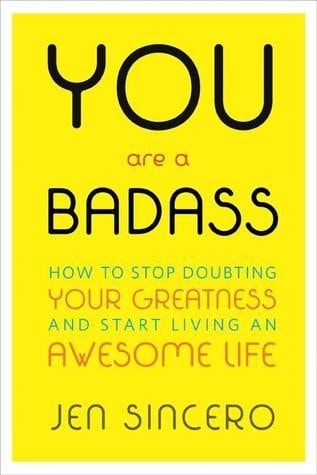
 BOOK NOTES · YOU ARE A BADASS